Blogs

France Debt Crisis: Surging Bond Yields & Eurozone Contagion Risk
French bond yields near 25-year highs amid budget gridlock. Explore surging borrowing costs, the France-Germany yield gap, and potential ECB rescue risks.

What Is a Yield Curve? Understanding Inversion and Market Signals
Learn what a yield curve is, how a yield curve inversion happens, and why economists closely monitor these bond market signals as potential recession warnings.

Oil Shock Forces Central Banks into a Hawkish Shift
Oil prices above $100 are reshaping central bank policy as the Fed, BoE and BoJ confront renewed inflation pressure and shifting rate expectations.
Forex
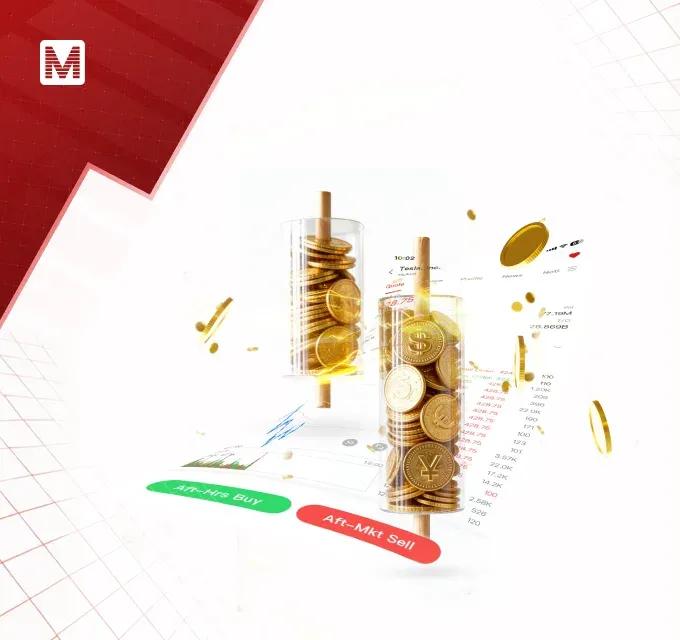
Transparent Pricing: What Every New Trader Should Know Before Opening an Account
Opening a trading account often starts with one question: "What will this actually cost me?" It sounds simple, but forex trading costs rarely show up as a single number. They're spread across spreads, commissions, swap fees, and sometimes charges that only appear once you're already trading. For a new trader, understanding a broker's pricing model before funding an account is one of the most important, and most overlooked steps in getting started. This article breaks down how broker pricing actually works, what separates fair pricing in trading from hidden trading fees, and how to compare brokers on more than just headline numbers. What You'll Learn How the two core broker pricing models spread-based and commission-based actually work Where hidden trading fees typically hide, even with reputable brokers How to read and compare pricing disclosures like a professional A practical trading cost comparison framework you can use before opening any account

The U.S. Debt Dilemma: Who Will Pay the Price?
As global central bankers and economists gather for the Jackson Hole Economic Symposium (August 27–29), financial markets face critical questions about the future of global reserves and sovereign debt. The core debate centers on whether the U.S. dollar could face structural devaluation similar to the Japanese yen, and whether non-sovereign assets like gold and Bitcoin will emerge as the primary beneficiaries of ongoing fiscal pressures. The U.S. Debt Dilemma and Treasury Interventions After long-term U.S. Treasury yields surged to levels not seen since 2007, the U.S. Department of the Treasury intervened by doubling its debt buyback operations for bonds maturing between 10 and 30 years. While this measure aimed to enhance market liquidity and cap long-term borrowing costs, its impact on the market proved temporary.
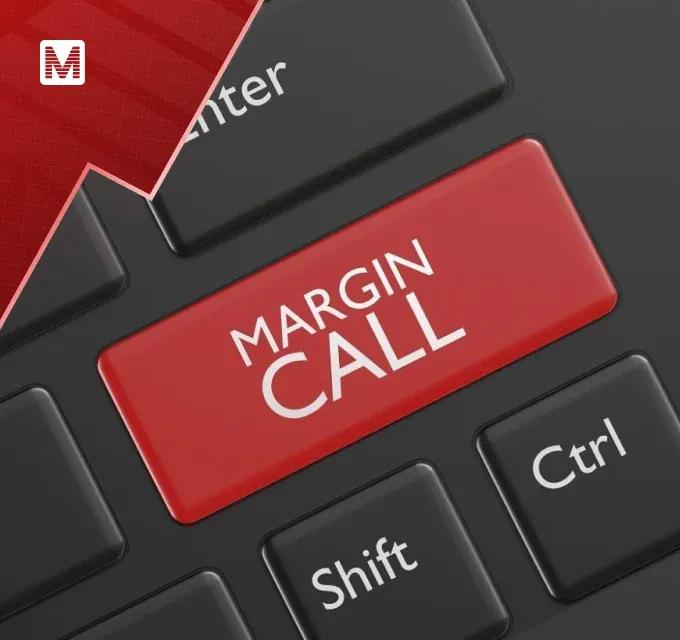
Why Your Position Closed Automatically: The Truth About Margin Calls
Few moments in trading are as jarring as watching a position close on its own, no click, no confirmation, just a notification that a trade has been shut out from under you. It feels sudden, but it almost never is. Behind every automatic closure is a margin call process that started well before the final trigger. Understanding how that process works is one of the most practical pieces of risk management a leveraged trader can learn. In This Article What a margin call actually is, and how it differs from a stop-out The role of maintenance margin in keeping a position open Why leverage makes margin calls more likely, and more sudden What a real margin calculation looks like in practice Practical steps to resolve or avoid a margin call before it happens

Commodities
Oil Shock Forces Central Banks into a Hawkish Shift
Oil prices above $100 are reshaping central bank policy as the Fed, BoE and BoJ confront renewed inflation pressure and shifting rate expectations.

Energy Surge Reignites Inflation Fears
Rising oil prices are reigniting inflation fears as Middle East tensions disrupt energy markets, pushing Treasury yields higher and reshaping Fed rate expectations.

Global Oil Market Under Pressure: What's Really Happening
Oil isn't reacting to headlines anymore; it's repricing around a broken supply chain. Where do you see crude heading from here, further upside, or a pullback once the headlines cool?
Metals

Best Time to Trade Gold (XAU/USD): Market Hours, Sessions, and Volatility Explained
Gold never sleeps. As one of the most traded assets in the world, XAU/USD moves around the clock, five days a week, across multiple continents. But just because you can trade at any hour doesn't mean every hour is worth trading. For beginners especially, one of the biggest and most avoidable mistakes is treating all market hours the same. If you've ever wondered why gold barely moves for hours and then suddenly surges by hundreds of pips in a single afternoon, the answer isn't random. It comes down to session timing, liquidity, and where the world's largest traders are active at any given moment. Understanding this is the foundation of any serious gold XAU/USD trading timing strategy, and it's what this guide is here to break down.

Trading CFDs on Precious Metals: Gold & Silver Market Outlook for 2026
Explore gold & silver CFD trading in 2026. Learn strategies, market outlook, and risk management to trade precious metals confidently and profitably.
Stocks

Nvidia: Market Leader or Central Bank of the AI Boom?
Nvidia is making massive commitments to secure AI chips, supply, and infrastructure. Explore what its strategy means for AI growth, risks, and investors.
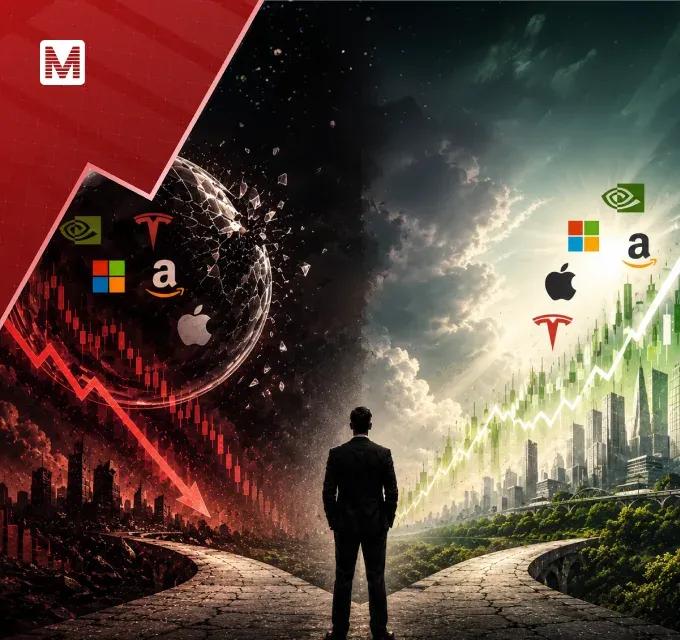
AI Stocks: Bubble or Long-Term Opportunity for Investors?
Artificial Intelligence (AI) has become one of the biggest drivers of the stock market in recent years. Companies involved in AI chips, cloud computing, software, and data centers have seen significant growth as businesses around the world continue investing in AI technologies. As interest in AI continues to grow, many investors are asking an important question: Are AI stocks experiencing a period of unusually high expectations, or could AI represent a long-term growth opportunity? While no one can predict how markets will evolve, understanding both perspectives can help investors make more informed decisions. Quick Summary AI has become one of the strongest themes in today’s technology sector, driving investment in chips, cloud computing, software, and data centers. Some market participants believe AI company valuations have risen quickly and are watching to see how future earnings develop. Others believe AI is a long-term technological shift that could improve productivity across many industries. Looking beyond headlines and focusing on company fundamentals can help investors better evaluate AI-related businesses. As with any investment, research, diversification, and a long-term perspective remain important considerations.
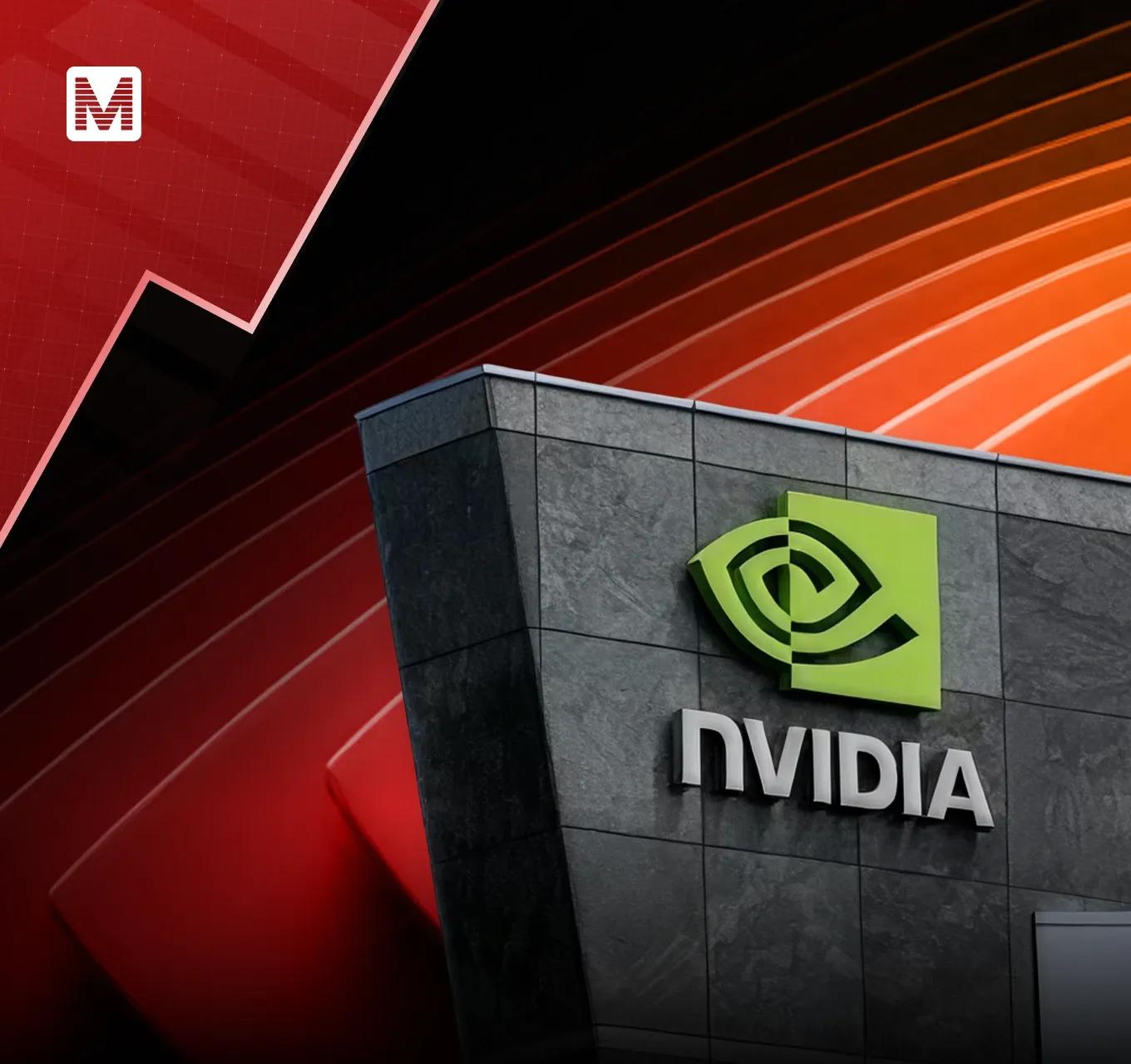
Nvidia Expands Beyond Chips with $500 Billion AI Infrastructure Financing Initiative
Nvidia is expanding beyond AI chips through a proposed $500 billion partnership with leading financial institutions to support AI infrastructure and data center financing. Here’s what it could mean for the future of AI investment.
Trading
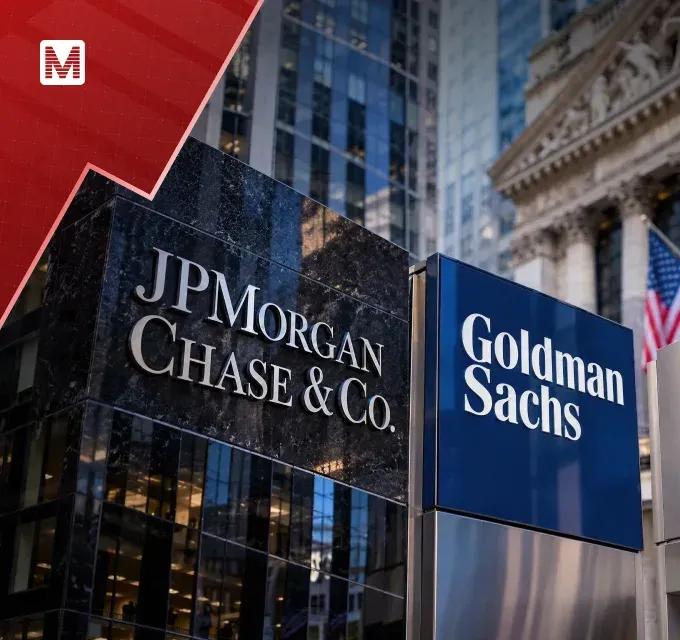
The U.S. Bank Earnings Kickoff
JPMorgan, Wells Fargo, Goldman Sachs, and Citi beat on profits, yet shares dropped. Explore how buyback cuts, bond yields, and credit costs drove the selloff.
France Debt Crisis: Surging Bond Yields & Eurozone Contagion Risk
French bond yields near 25-year highs amid budget gridlock. Explore surging borrowing costs, the France-Germany yield gap, and potential ECB rescue risks.
What Is a Yield Curve? Understanding Inversion and Market Signals
Learn what a yield curve is, how a yield curve inversion happens, and why economists closely monitor these bond market signals as potential recession warnings.